

As winter approaches, many individuals experience a noticeable increase in arthritis pain and joint pain. The drop in temperature seems to exacerbate discomfort, leading to questions about why cold weather intensifies symptoms and how to manage them effectively.
Understanding the Impact of Cold Weather on Arthritis Pain
The Connection Between Barometric Pressure and Arthritis Pain
Changes in barometric pressure are a significant factor in the increase of arthritis pain during cold weather. When the atmospheric pressure decreases, it can cause the tissues in your body to expand. This expansion can lead to increased pressure on the joints, resulting in heightened joint pain for those suffering from arthritis.
Research suggests that lower barometric pressure allows tissues to swell, which can irritate the nerves surrounding the joints. This irritation contributes to the discomfort and stiffness commonly reported by arthritis patients in cold weather.
Effects on Synovial Fluid and Joint Stiffness in Arthritis
Synovial fluid acts as a lubricant in our joints, allowing for smooth and painless movement. Cold temperatures can cause this fluid to become thicker, reducing its effectiveness as a lubricant. The thickening of synovial fluid leads to increased joint pain and stiffness, making movements more challenging for individuals with arthritis.
Additionally, the cold can cause muscles to tighten, which adds to the feeling of stiffness. Tight muscles can put extra strain on joints, exacerbating arthritis pain and reducing the overall range of motion.
Medical Conditions Affected by Cold Weather

Osteoarthritis and Increased Arthritis Pain
Osteoarthritis, the most common form of arthritis, is characterized by the degeneration of joint cartilage and the underlying bone. This condition often affects the knees, hips, hands, and spine. During cold weather, people with osteoarthritis may notice increased arthritis pain due to the reasons mentioned above.
The combination of thicker synovial fluid and changes in barometric pressure can intensify the symptoms of osteoarthritis. The cold-induced muscle tightness can also contribute to the discomfort experienced by patients.
Rheumatoid Arthritis Flare-ups in Winter
Rheumatoid arthritis is an autoimmune disorder that causes chronic inflammation of the joints. Cold weather can trigger flare-ups in individuals with rheumatoid arthritis, leading to increased joint pain and stiffness. The immune system’s response can exacerbate inflammation, worsening the symptoms [4].
Moreover, reduced physical activity during colder months can lead to muscle weakness, which may increase the stress on joints affected by rheumatoid arthritis.
Scientific Explanation of Increased Arthritis Pain in Cold Weather

Barometric Pressure Changes and Nerve Sensitivity in Arthritis
The fluctuation in barometric pressure not only affects joint tissues but also influences nerve sensitivity. Lower pressure can make nerves more sensitive, amplifying the sensation of joint pain in people with arthritis. This heightened sensitivity means that even minor joint issues can feel more painful during cold weather.
Effects on Muscles, Tendons, and Synovial Fluid in Arthritis
Cold temperatures cause muscles and tendons to contract, which can lead to increased tension around the joints. This contraction reduces flexibility and contributes to the feeling of stiffness associated with arthritis pain. The thickening of synovial fluid further hinders joint movement, making daily activities more challenging.
The combination of muscle contraction and changes in synovial fluid consistency can also lead to the formation of adhesions, which are bands of scar tissue that form between joint surfaces. These adhesions can limit mobility and increase joint pain.
Arthritis Treatment Options for Cold Weather

Exercise to Reduce Arthritis Pain
Engaging in regular exercise is crucial for managing arthritis pain during cold weather. Exercise helps maintain joint flexibility, strengthens muscles around the joints, and reduces stiffness. Low-impact activities such as walking, swimming, and yoga are excellent options.
Exercise also promotes the circulation of synovial fluid, which can improve joint lubrication despite the cold. Incorporating at least 30 minutes of physical activity into your daily routine can significantly alleviate joint pain [5].
Heat Therapy and Cold Therapy for Arthritis Treatment
Heat therapy involves applying warmth to affected joints to relax muscles and improve circulation. Using heating pads, warm baths, or hot water bottles can reduce stiffness and soothe joint pain.
Conversely, cold therapy can help reduce swelling and numb deep pain. Applying ice packs wrapped in a cloth to the affected area for short periods can alleviate inflammation associated with arthritis.
Over-the-Counter Medications and Anti-inflammatory Foods for Arthritis Pain
Taking over-the-counter medications such as nonsteroidal anti-inflammatory drugs (NSAIDs) can provide temporary relief from arthritis pain. However, it is essential to consult with a healthcare professional before starting any medication.
Incorporating anti-inflammatory foods into your diet can also help manage symptoms. Foods rich in omega-3 fatty acids, antioxidants, and vitamins can reduce inflammation and improve joint health.
Lifestyle Tips for Managing Arthritis Pain in Cold Weather
Layer Clothing and Insulated Treaded Footwear to Manage Arthritis Pain

Keeping your body warm is vital in reducing arthritis pain during cold weather. Wearing multiple layers of clothing helps trap heat and maintain a comfortable body temperature. Don’t forget to bundle up with scarves, gloves, and hats.
Investing in insulated treaded footwear can keep your feet warm and provide stability on slippery surfaces. Proper footwear reduces the risk of falls and additional joint injuries.
Staying Active and Avoiding Inactivity for Arthritis Treatment
While it might be tempting to stay indoors and reduce activity levels during winter, inactivity can worsen stiffness and joint pain. Regular movement keeps joints flexible and muscles strong. Simple indoor exercises or even household chores can help maintain activity levels.
Hydration and Nutrition for Arthritis Pain Management
Maintaining proper hydration is essential, even in cold weather. Dehydration can affect joint health and exacerbate arthritis pain. Drinking enough water supports the production of synovial fluid and helps maintain overall health.
Eating a balanced diet with plenty of fruits, vegetables, whole grains, and lean proteins provides the nutrients necessary for joint health. Limiting processed foods and sugars can also help reduce inflammation.
Expert Insights from Dr. (Prof) Amit Kumar Agarwal
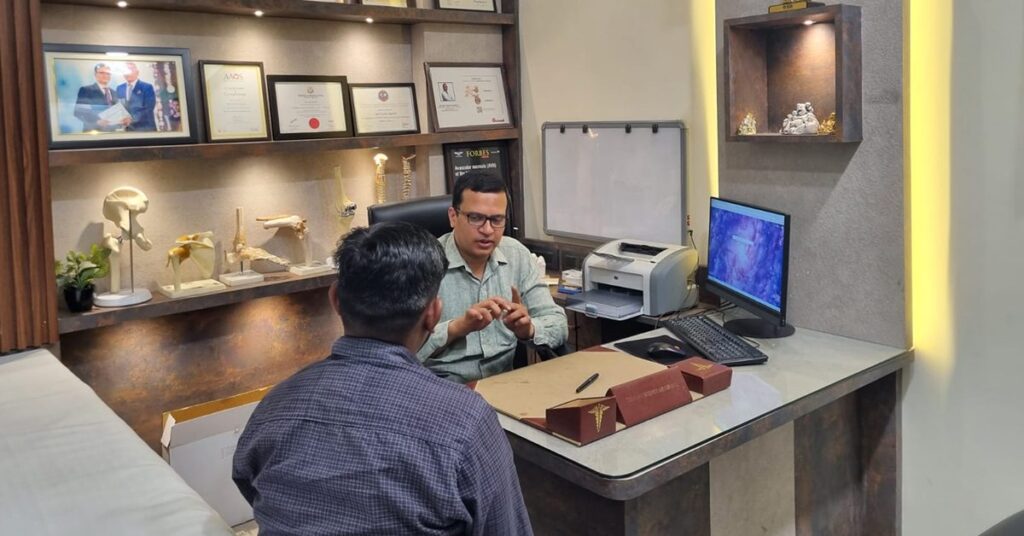
Dr. (Prof) Amit Kumar Agarwal, Senior Consultant Orthopedic Surgeon in New Delhi, offers valuable advice on managing arthritis pain during cold weather. With extensive qualifications including MBBS, MS(Orth)PGI, DNB(Orth), MCh(Orth) UK, MCh(Orth) USAIM, Dip.Sicot(Belgium), MNAMS, MIMSA, Dr. Agarwal is a leading expert in orthopedic care.
Dr. Agarwal’s Recommendations for Arthritis Treatment
- Regular Exercise: Dr. Agarwal emphasizes the importance of consistent exercise to maintain joint mobility and reduce stiffness. He suggests activities tailored to individual capabilities to ensure safety and effectiveness.
- Heat Therapy: Utilizing heat therapy can alleviate joint pain by relaxing muscles and improving blood flow. Warm baths or localized heat applications are recommended.
- Proper Clothing: Wearing appropriate clothing, including layers and insulated treaded footwear, helps keep joints warm and reduces discomfort. Dr. Agarwal advises patients to bundle up when going outdoors.
- Medical Consultation: For persistent or severe arthritis pain, seeking professional advice is crucial. Dr. Agarwal provides personalized arthritis treatment plans that may include physical therapy, medications, or other interventions.
Conclusion
The increase in arthritis pain during cold weather is a multifaceted issue influenced by barometric pressure, synovial fluid changes, and muscle contraction. Understanding these factors allows individuals to take proactive steps in managing their symptoms.
By incorporating regular exercise, utilizing heat therapy, dressing appropriately, and maintaining a healthy lifestyle, those with arthritis can reduce joint pain and improve their quality of life during the colder months. Consulting with orthopedic surgeons like Dr. Amit Kumar Agarwal ensures that treatment plans are tailored to individual needs, providing effective relief from arthritis pain.