
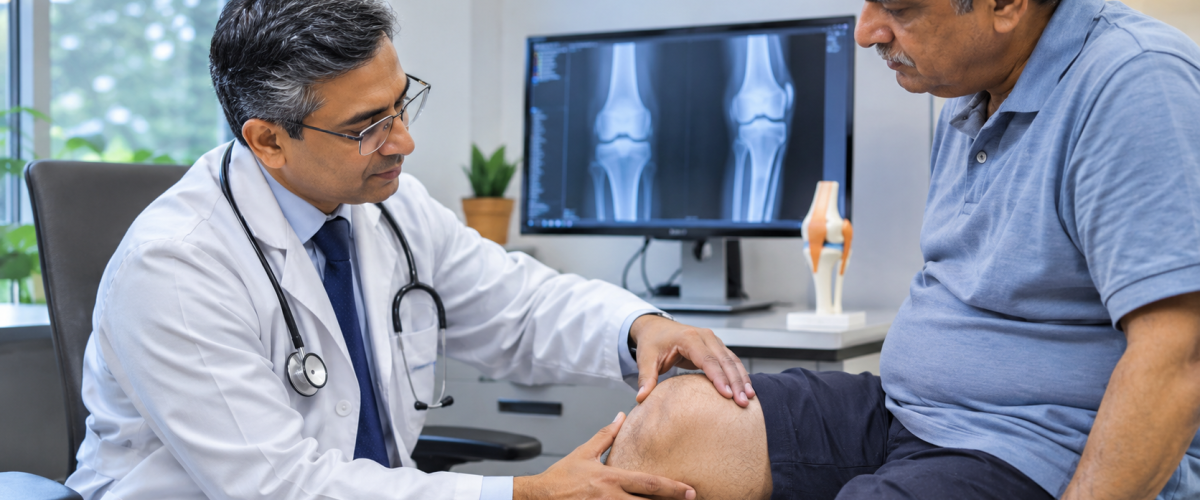
If you have been living with a knee that complains on the stairs, a hip that aches after a short walk, or an old injury that never quite settled, you have probably typed “best orthopedic surgeon in Delhi” into a search bar at some point. It is a fair thing to ask. Bones and joints do the quiet work of keeping you on your feet, and when they start to hurt, everything from your job to your evening walk gets harder.
Choosing a surgeon in a city this large is not simple. Delhi has plenty of good hospitals and capable doctors, so the real task is finding someone who examines you properly, listens to what you are actually experiencing, and explains your options without hurrying you. This guide covers when it makes sense to see an orthopedic surgeon, the conditions they commonly treat, and what you can expect from a consultation with Dr. Prof. Amit Kumar Agarwal at Indraprastha Apollo Hospitals, Sarita Vihar, New Delhi.
When Should You Consult an Orthopedic Surgeon?
Most people wait longer than they should. Joint pain gets filed under “age” or “weather” or “just slept badly,” and months go by. Some aches do pass on their own. Others are early signs of something that is far easier to manage when it is looked at sooner.
It is worth booking a consultation if you notice any of the following:
- Pain in a knee, hip, shoulder, or back that has lasted more than a couple of weeks
- Swelling, stiffness, or a locking sensation, especially first thing in the morning
- Trouble climbing stairs, getting up from a chair, or walking the distance you used to
- An injury from a fall, accident, or sports session that still hurts after rest
- Pain that wakes you at night
- A joint that feels unstable or seems to give way
None of these automatically means surgery. In fact, many patients who see an orthopedic surgeon are first advised on non-surgical care such as medication, physiotherapy, changes in activity, and weight management. The purpose of the visit is to find out what is really going on so you are not left guessing. The one exception is a sudden injury with severe pain, visible deformity, or an inability to put weight on the limb. In that case, go to an emergency department rather than waiting for an appointment.
Common Orthopedic Conditions and Treatment Options
Orthopedics deals with the bones, joints, ligaments, tendons, and muscles. In a busy clinic in Delhi, a few conditions come up again and again.
Osteoarthritis. This is gradual wear of the cartilage that cushions a joint, most often in the knees, hips, and hands. It is one of the most common reasons people look for an orthopedic opinion, and it tends to creep up rather than arrive suddenly.
Fractures. Broken bones can follow a fall, a road accident, or even a minor slip when the bones have become weaker with age.
Ligament and tendon problems. Sprains, partial tears, and tendon inflammation often follow a sudden twist or repeated strain.
Back and neck pain. Long hours at a desk, poor posture, and age-related changes in the spine all play a part.
Treatment depends on the diagnosis, your age, how active you are, and what you want to get back to doing. For many conditions the first steps are conservative: rest, anti-inflammatory medication where appropriate, targeted exercises, and physiotherapy. Injections or minimally invasive procedures may be considered in some cases. Surgery, including joint replacement, is usually discussed when other approaches have not given enough relief or when the damage is significant. A good surgeon will tell you why a particular option is being suggested and what the alternatives are.
Knee and Hip Joint Problems
Your knees and hips carry your body weight every time you stand, walk, or climb, so it is not surprising that they are often the first joints to wear down.
Knee pain is frequently linked to osteoarthritis, but it can also come from a meniscus injury, ligament strain, or problems around the kneecap. People tend to describe pain on the stairs, swelling by the end of the day, stiffness after sitting for a while, or a grinding feeling when the knee bends.
Hip problems can be harder to recognise because the pain does not always sit in the hip. It may show up in the groin, the outer thigh, or even the knee. Difficulty putting on socks or shoes, a limp, or pain after short walks are common signs.
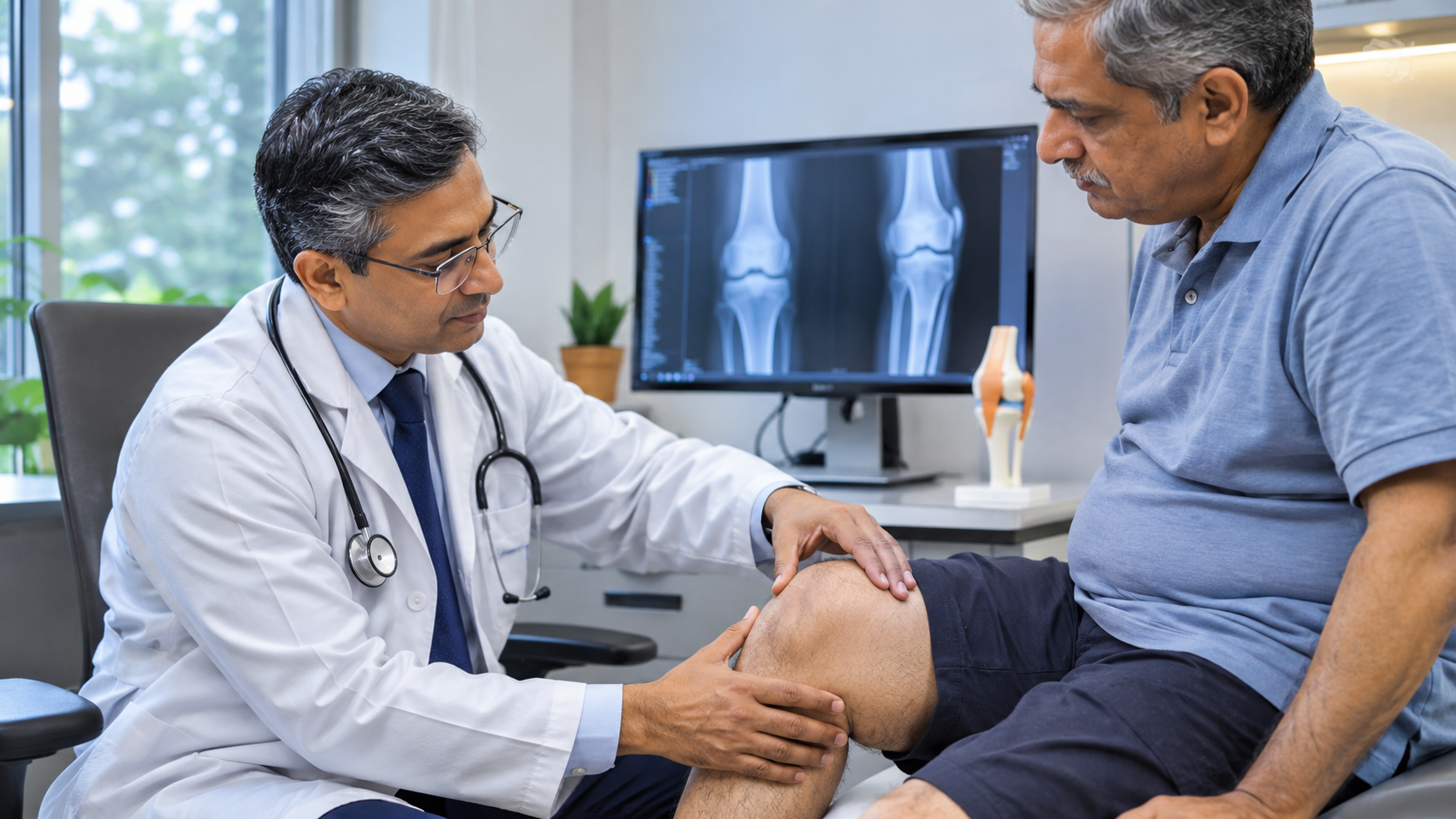
Diagnosis usually starts with a conversation about your symptoms and a physical examination, followed by X-rays or other imaging when needed. From there, your surgeon can tell you whether you are likely to do well with exercises and medication or whether a procedure should be considered.
When joint damage is advanced and daily life is affected, knee replacement or hip replacement may come up as an option. These are big decisions, and they should follow a proper evaluation, not come before one. If you would like to read more, our guides on knee replacement surgery and total hip replacement go into each procedure in detail.
Sports Injuries and Musculoskeletal Conditions
You do not need to be a professional athlete to hurt yourself playing sport. Weekend cricket, a new gym routine, a badminton match with colleagues, or a morning run can all lead to injury, and going from a desk chair straight onto a field does not help.
Common problems include ACL tears, meniscus tears, shoulder instability, tennis elbow, ankle sprains, and pain in the shin or foot from overuse. Getting checked early matters, because an injury that is ignored can lead to repeated damage and a longer recovery. Treatment ranges from rest and rehabilitation to surgical repair in selected cases, and the key is a clear diagnosis and a realistic plan for getting back to activity. Our page on sports medicine explains how these injuries are assessed.
Musculoskeletal complaints in people who do not play sport deserve the same attention. Persistent shoulder pain, heel pain, or a lower back strain that keeps returning are worth getting looked at. Pain that is tolerated for months often changes the way you move, and that can put extra strain on other joints.
Why Consider Dr. Prof. Amit Kumar Agarwal for Orthopedic Consultation?
Most people searching for the best orthopedic surgeon in Delhi are really looking for someone they can trust with a problem that affects their independence. No ranking can answer that for you. What you can do is look at the surgeon’s background, the hospital where they practise, and how they communicate.
Dr. Prof. Amit Kumar Agarwal consults at Indraprastha Apollo Hospitals in Sarita Vihar, New Delhi, a multispecialty hospital with the imaging, anaesthesia, and rehabilitation support that orthopedic care often relies on. For patients, this means evaluation, planning, and treatment, where needed, can happen within one hospital setting. Add verified qualifications, years of experience, and areas of focus here.
A consultation with Dr. Prof. Amit Kumar Agarwal typically starts with your history: when the problem began, what makes it better or worse, and what you have already tried. This is followed by an examination and a review of any scans or reports you bring. Once the picture is clear, the discussion turns to options, including non-surgical ones, so that you can make a decision with full information. You can read more about his background on the doctor’s profile page.
How to Book an Orthopedic Consultation in Delhi
Booking is straightforward. You can request a slot through the appointment page or call the hospital’s appointment desk on verified phone number.
A little preparation makes the visit more useful:
- Bring earlier X-rays, MRI reports, and prescriptions, even if they seem old
- Note down when the pain started, what triggers it, and which medicines or treatments you have tried
- Wear loose, comfortable clothing so the joint can be examined easily
- Bring a family member if you would like someone else to hear the discussion
Frequently Asked Questions
Will I need surgery if I see an orthopedic surgeon?
Not necessarily. Many orthopedic problems improve with medication, physiotherapy, exercise, and changes to daily habits. Surgery is usually considered when these measures have not helped enough or when the condition is advanced. Your surgeon should explain why a procedure is being recommended and what the alternatives are.
How do I know if my joint pain is serious?
Pain that lasts more than a few weeks, keeps you awake, limits your walking, or comes with swelling, redness, or a feeling of instability deserves an assessment. Sudden severe pain after an injury should be seen urgently.
What should I bring to my first appointment?
Bring your previous imaging reports and films, a list of current medicines, and any notes about your symptoms. This helps the surgeon avoid repeating tests and gives a clearer starting point.
Where does Dr. Prof. Amit Kumar Agarwal consult?
Dr. Prof. Amit Kumar Agarwal consults at Indraprastha Apollo Hospitals, Sarita Vihar, New Delhi. Please confirm timings through the appointment page or the hospital desk before you travel.
Take the First Step Towards Easier Movement
Joint and bone problems rarely fix themselves, but they are often more manageable than people fear once the cause is understood. If pain is affecting how you walk, work, or sleep, book an orthopedic consultation with Dr. Prof. Amit Kumar Agarwal at Indraprastha Apollo Hospitals, Sarita Vihar, New Delhi, and get a clear assessment of what is happening and what can be done about it.